Start Here: Korean Skincare Explained for Foreigners

Showing posts with label korean skincare. Show all posts

Why Koreans Distrust “Too Mild” Skincare More Than Expected

Start here: Korean Skincare Explained for Foreigners

Foreigners often assume “mild” skincare is always trusted and preferred. They expect Koreans to choose the gentlest option because Korean skincare is seen as soothing.

In reality, some Korean consumers distrust products that feel “too mild,” especially when they want visible improvement.

What foreigners expect

Many people assume mild means safe, effective, and universally suitable. If a product feels gentle, they expect it to be the best choice for most users.

They also assume discomfort automatically means a product is harmful.

What Koreans actually notice

Some Korean consumers evaluate products through “felt effectiveness.” They often ask: Does it change something I can see or feel over time?

  • Sensation can signal performance. Not always, but it influences perception.
  • Results are expected. Many people want tone, texture, or barrier improvement they can notice.
  • Routine culture is active. Trends encourage experimenting and adjusting rather than staying minimal forever.

Common misunderstandings

  • “Mild equals best.” For some locals, “too mild” feels like “does nothing.”
  • “Koreans love irritation.” Not true. Many want calm skin, but still want results.
  • “If it feels strong, it must be good.” Koreans also watch for barrier damage and switch to repair routines when needed.

Why it’s like this in Korea

Korean skincare culture includes fast trend cycles, clinic-influenced expectations, and a strong focus on visible skin finish. This makes some consumers skeptical of products that feel “too gentle to matter.”

  • Expectation of change. People want improvements they can observe.
  • Influence of treatments. Home-care is sometimes compared to clinic-like results.
  • Community evaluation. Consumers share “felt results” and quickly label products as effective or not.

What to do differently

  • Separate comfort from effectiveness. A comfortable product can still work, but results may be subtle and slow.
  • Choose by skin goal. Barrier repair, tone, texture, and acne control require different tools.
  • Use a balanced routine. Many Koreans alternate between active days and recovery days.

Conclusion

Some Koreans distrust “too mild” skincare because local culture often expects visible change, not just comfort.

Foreigners can avoid confusion by focusing on realistic timelines and matching products to goals rather than judging only by sensation.

Korean Milky Toner Logic: Why It’s Seasonal and Misunderstood

Start here: Korean Skincare Explained for Foreigners

Milky toners look simple, but they confuse many foreigners. Some love the softness, while others feel they are sticky or heavy.

In Korea, milky toner is often treated as a seasonal tool, not a universal step for everyone.

What foreigners expect

Foreigners often treat toner as a light water step. When they see a milky texture, they assume it will feel rich and soothing all year.

Then they feel disappointed when it becomes heavy in humid weather or causes small bumps for oily skin.

What Koreans actually notice

Korean consumers often judge milky toner by how it behaves under layers, and whether it prevents tightness without leaving residue.

  • Winter survival logic. Dry winter air and indoor heating make light toners feel insufficient.
  • Finish matters. “Milky” is acceptable only if it absorbs cleanly.
  • Skin type boundaries. Oily skin users often change routines by season.

Common misunderstandings

  • “Milky means always moisturizing.” The same texture can feel too heavy in summer.
  • “More is better.” Thick application often creates stickiness or residue.
  • “It should replace moisturizer.” Many Koreans use it as a supportive layer, not a replacement.

Why it’s like this in Korea

Korea’s climate changes sharply across seasons. Many people build routines around comfort under heating, humidity, sunscreen, and makeup.

  • Dry winters. Skin tightness becomes common and requires supportive layers.
  • Humid summers. Heavy layers can feel unpleasant and increase clogging concerns.
  • Layering culture. Thin supportive steps are preferred over one thick step.

What to do differently

  • Use less than you think. Apply thinly, then wait before layering.
  • Make it seasonal. Many people use milky toner mainly in colder months.
  • Watch your skin type. If you are acne-prone, test slowly and reduce frequency.

Conclusion

Milky toner in Korea is often a climate tool, not a universal rule. Understanding the seasonal logic explains why locals love it in winter and adjust in summer.

Foreigners get better results when they treat it as a flexible layer rather than a fixed routine step.

Why Korean Skincare Sometimes Stings and Locals Accept It

Start here: Korean Skincare Explained for Foreigners

Many foreigners are surprised when a Korean skincare product causes tingling or mild stinging. They assume irritation means the product is “bad.”

In Korea, some consumers tolerate mild discomfort if they believe it signals effectiveness, especially with active-heavy trends.

What foreigners expect

Many people expect skincare to feel completely comfortable. If something stings, they think it must be damaging their skin barrier.

They also expect “gentle” to be the default preference for all consumers.

What Koreans actually notice

Korean consumers often talk about sensation as part of evaluation. Not everyone likes discomfort, but many interpret it differently depending on context.

  • Short-term sensation vs long-term reaction. Mild tingling is treated differently than redness that lasts.
  • Active culture. Some routines prioritize visible change and accept temporary discomfort.
  • Barrier awareness. People often watch for signs of damage and adjust frequency.

Common misunderstandings

  • “Sting means it’s working.” Sometimes it does, but sometimes it is barrier irritation. Context matters.
  • “Sting means it’s dangerous.” Mild tingling can happen with actives, but persistent redness is a warning sign.
  • “Koreans always prefer strong products.” Many Koreans also prioritize calming routines, especially after irritation.

Why it’s like this in Korea

Korean skincare trends often move fast and focus on visible change. Many consumers also have strong routines built around seasonal switching and recovery phases.

  • Trend cycles. Actives become popular quickly, and people test them rapidly.
  • Clinic influence. Home-care products are sometimes discussed with “treatment-like” expectations.
  • Recovery logic. Many routines include “repair days” after strong products.

What to do differently

  • Separate tingling from damage. Watch duration: minutes vs hours.
  • Reduce frequency first. Many Koreans adjust by using actives fewer days per week.
  • Prioritize barrier recovery. If redness persists, pause and use calming basics.

Conclusion

Korean consumers sometimes accept mild stinging because they connect it to active performance, but they also watch for warning signs.

Foreigners can avoid confusion by focusing on timing, duration, and recovery habits rather than judging by one sensation alone.

Inner Glow vs Greasy Shine: What Koreans Mean by “Glow”

Start here: Korean Skincare Explained for Foreigners

Foreigners often hear that Korean skincare is all about “glow,” and assume it means looking shiny or dewy all the time.

In Korea, “glow” usually has a specific meaning. Many locals want a calm, even, healthy-looking finish, not an oily surface shine.

What foreigners expect

Many people expect glow to look like visible shine on top of the skin. They assume stronger shine equals better hydration or better skincare.

This can lead to routines that feel heavy or sticky, especially in humid weather.

What Koreans actually notice

Korean consumers often judge glow by how the skin looks and feels up close. The goal is usually “balanced radiance,” not oiliness.

  • Glow should look even. Not patchy, not sweaty, not reflective in one spot.
  • Glow should feel clean. Heavy residue is often criticized, even in popular products.
  • Glow depends on texture. Smooth skin texture is often valued more than surface shine.

Common misunderstandings

  • “More layers means more glow.” Too many layers often create residue or pilling.
  • “Shiny equals healthy.” In Korea, greasy shine is usually seen as an imbalance.
  • “Glow is one universal look.” Koreans often adjust finish depending on season and skin type.

Why it’s like this in Korea

Korean skincare culture developed in a climate with strong seasonal changes and a daily routine that includes sunscreen and makeup. A heavy finish becomes uncomfortable quickly.

  • Seasonal switching. People change products when humidity or dryness changes.
  • Daily sunscreen use. Skin finish must work under SPF layers.
  • High sensitivity to residue. Many consumers dislike sticky texture in crowded city life.

What to do differently

  • Focus on texture before shine. Smoothness often creates the “glow” look naturally.
  • Use thin layers. Korean layering is usually light, not thick stacking.
  • Adjust by season. What feels perfect in winter can feel greasy in summer.

Conclusion

In Korean skincare, glow is often about balance: even tone, smooth texture, and a clean, comfortable finish.

Once you understand this, you can interpret K-beauty advice more accurately and avoid routines that feel heavy or oily.

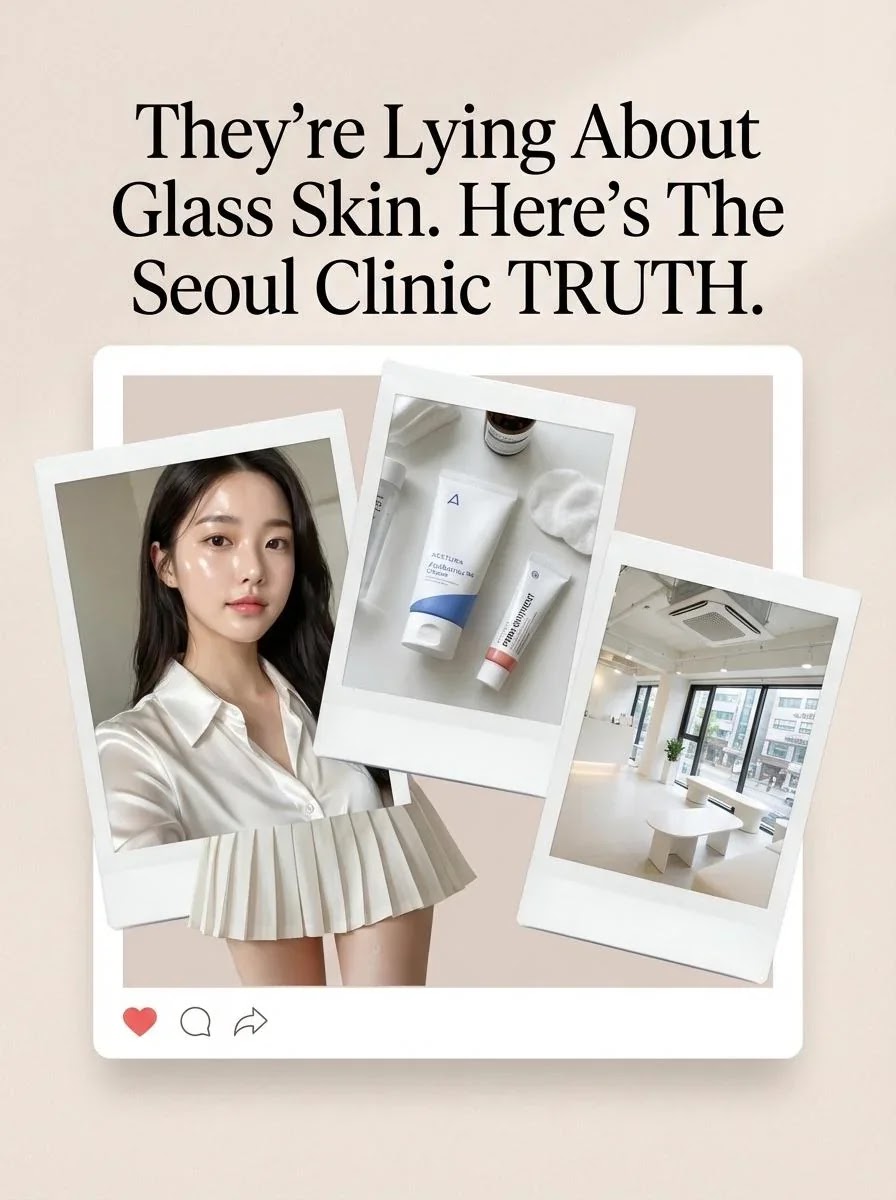
They're Lying AboutGlass Skin.

K Seoul Insider #KBeautyRawReality #SeoulClinicInsider #MarchBarrierLockdown Spring Skin Survival ...